This guide is a free study aid by Volution Technology, not official advice. The number of questions and the pass mark differ between licensing offices and change over time, so confirm the current format with your office: Punjab DLIMS, Sindh, Peshawar, Islamabad.
1. Learn the two families by shape first
Pakistan's signs follow the National Transport Research Centre's Manual of Signs, Signals and Road Markings. Recognising the shape tells you half the answer before you read the symbol:
- Regulatory signs are round with a red ring. A red slash or cross means something is forbidden; an arrow or symbol on white tells you what you must do.
- Warning signs are triangles with a red border. They tell you about a danger or a change in the road ahead.
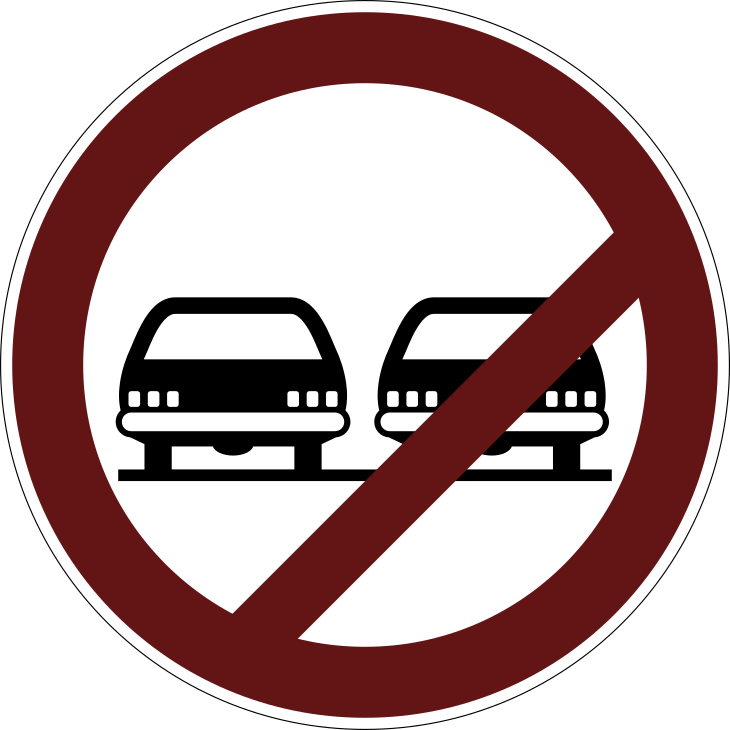
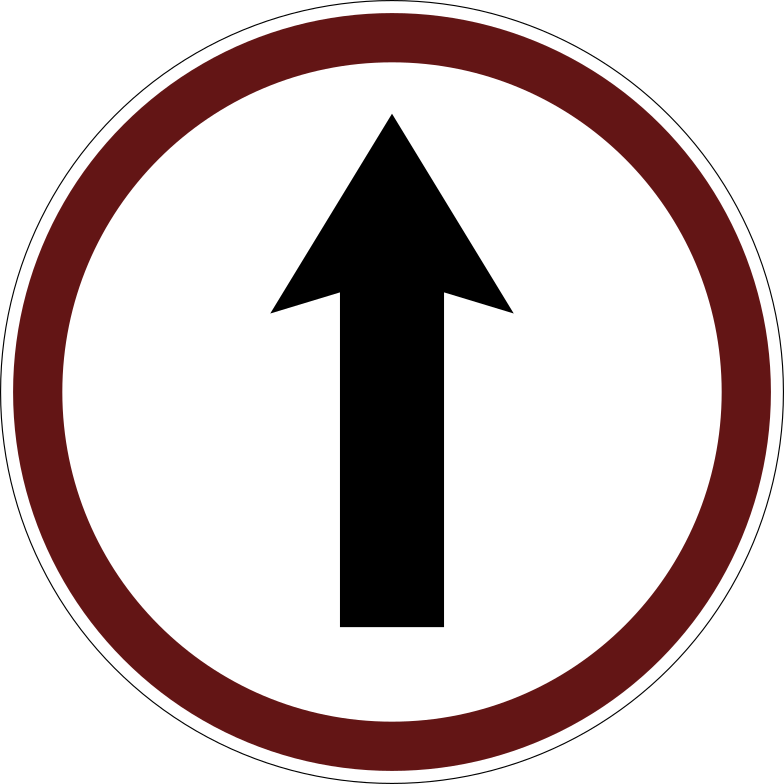
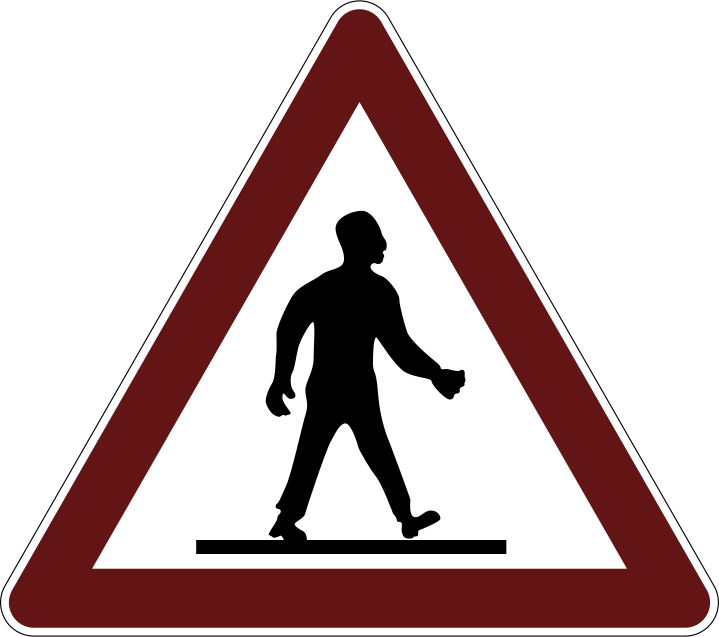
2. Practise the pairs people mix up
Most wrong answers come from signs that look alike. Study these side by side:
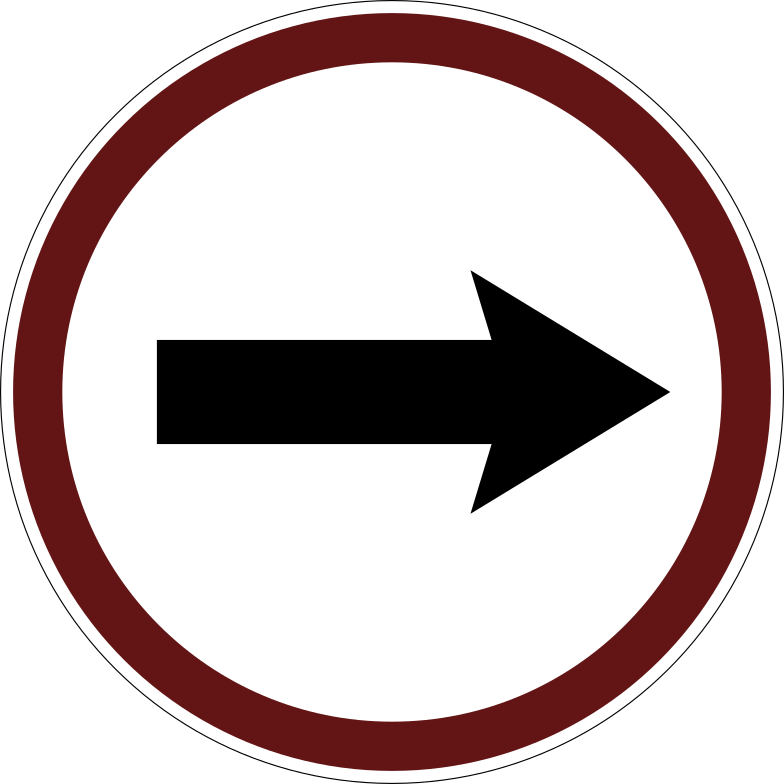
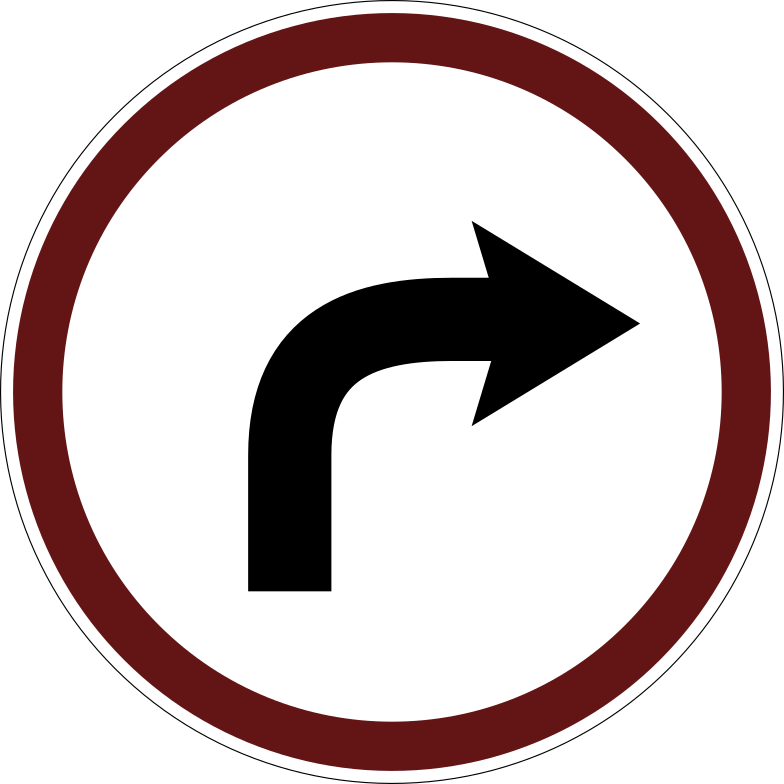
A straight arrow means proceed in that direction only; a bent arrow means turn at the junction.
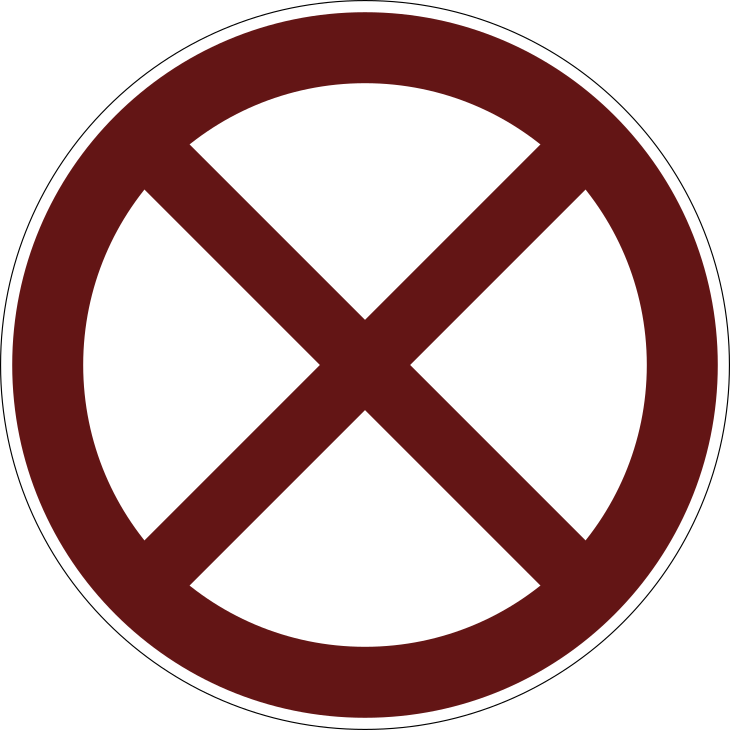
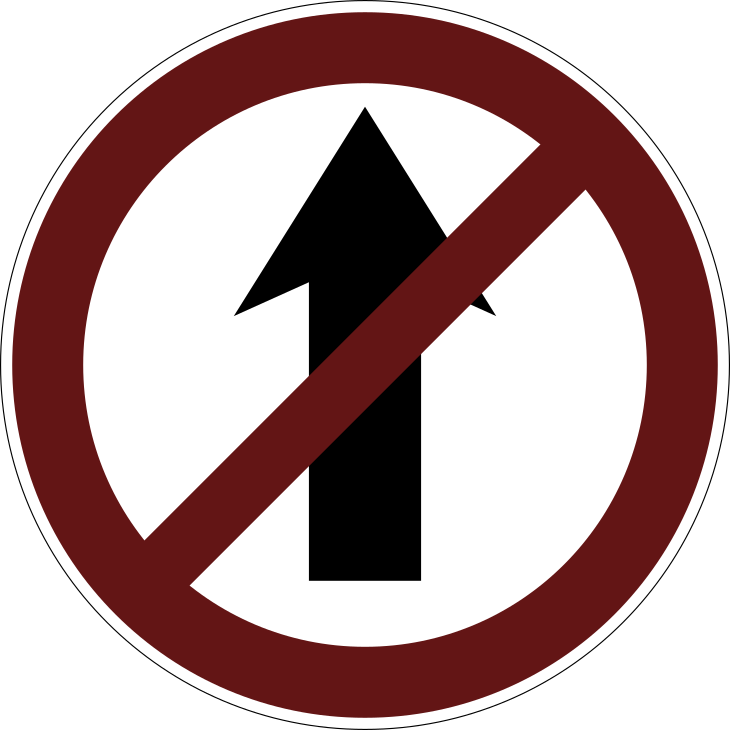
Road closed (an X) is closed to everyone; No entry (a crossed upward arrow) is usually a one-way road.
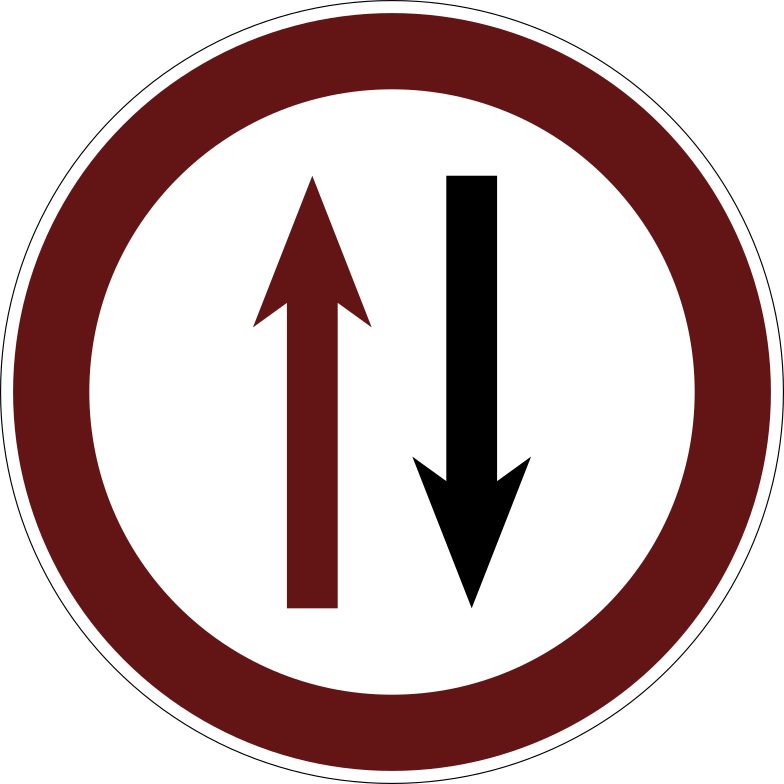
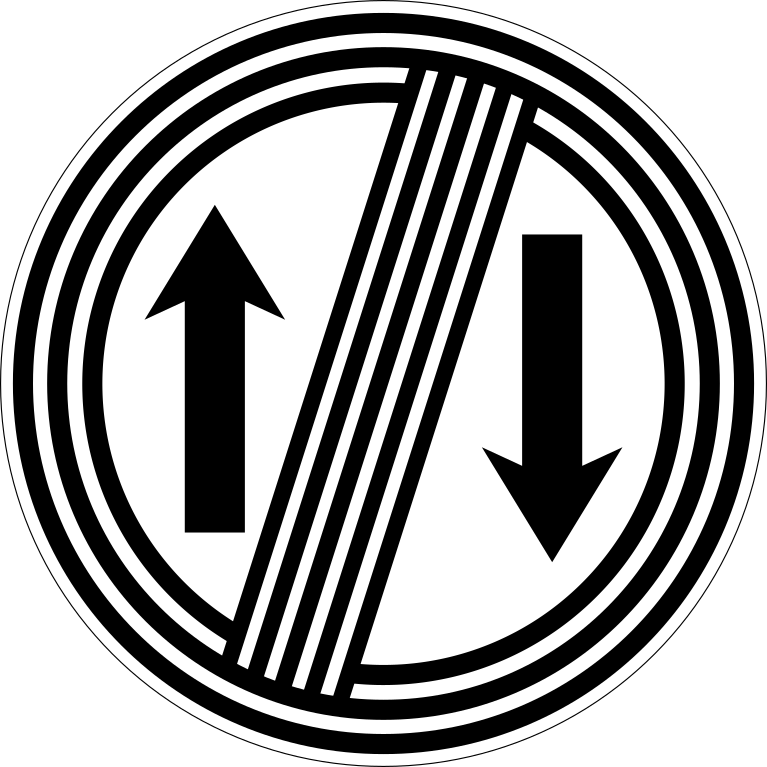
Priority road: the red arrow's direction gives way on a narrow stretch. The same sign crossed out ends that rule.
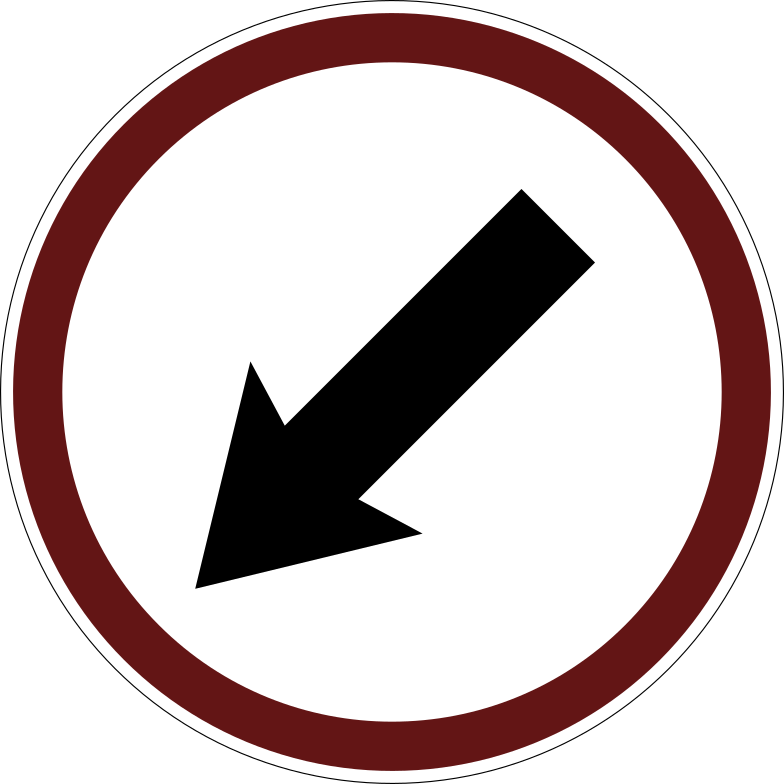
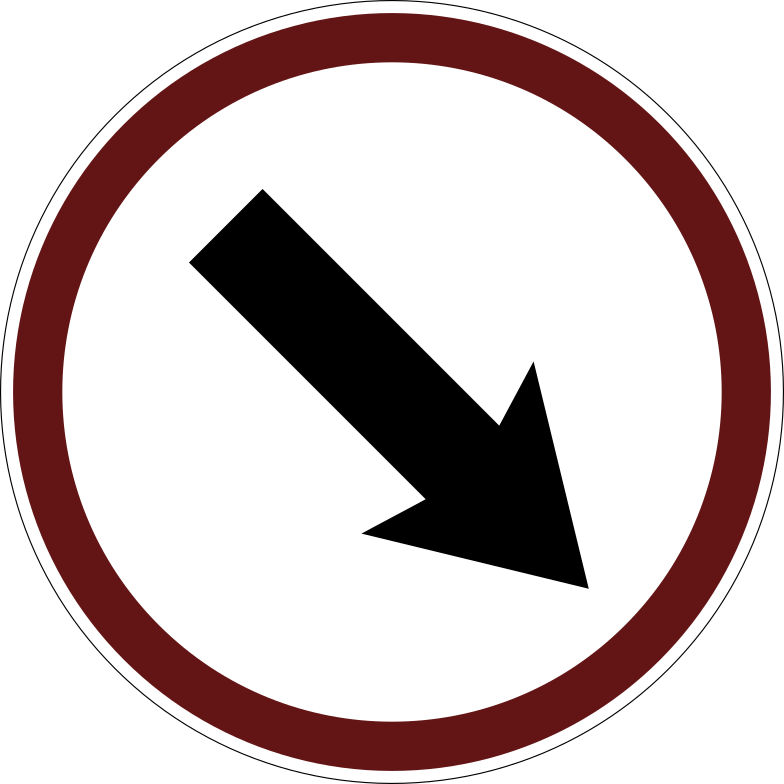
Keep left and keep right point down towards the side of the island you must pass.
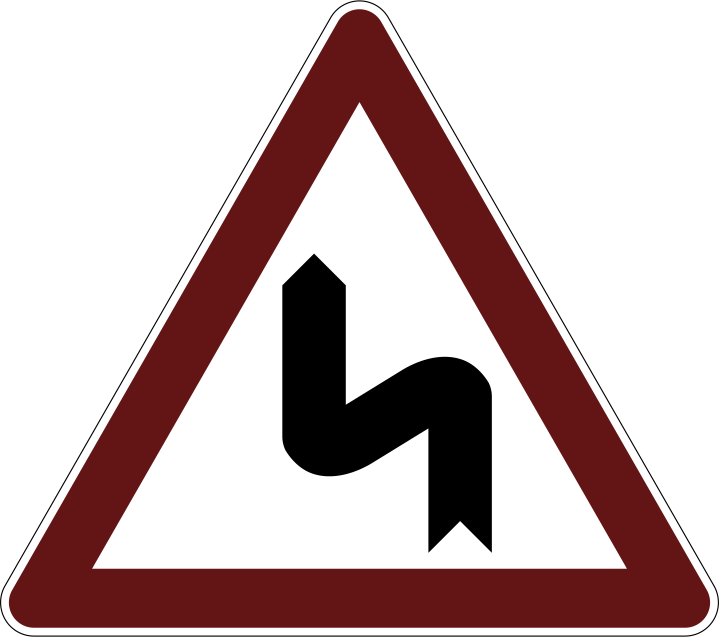
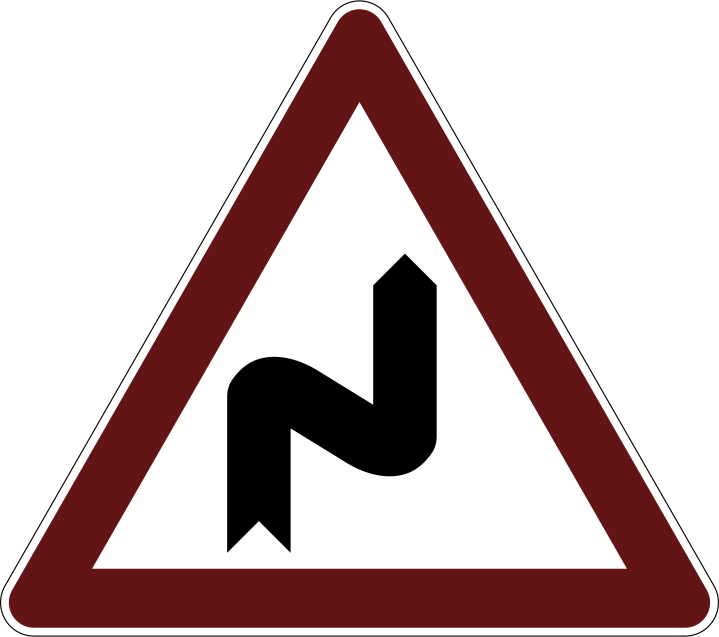
Reverse curves: the name says where the first bend goes (left or right).
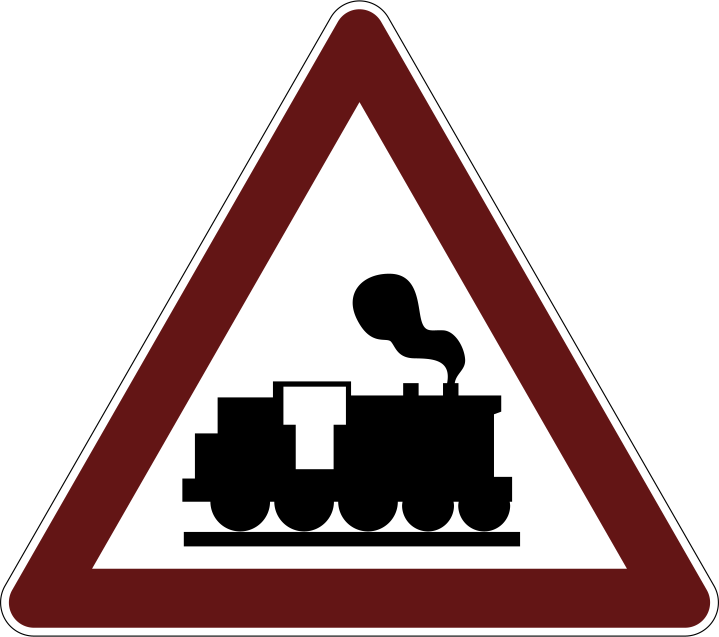
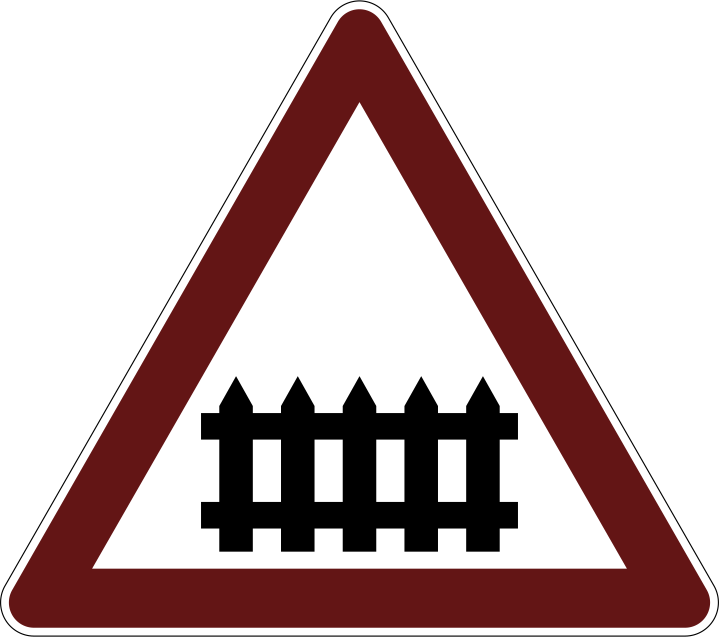
A railway engine means no gates; a fence means a level crossing with gates.
3. A one-week study plan
- Days 1–2: go through the regulatory signs on the free chart, saying each meaning aloud in Urdu.
- Days 3–4: the warning signs, the same way.
- Day 5: practice papers of 10 signs; write down every sign you get wrong.
- Day 6: only your wrong signs, until you get each one right twice in a row.
- Day 7: two full practice papers, then check the format with your licensing office before you go.
Open the free chart of all 95 signs · The Android app with timed practice papers and a mistakes review is coming soon.